

Pinup Aviator Style: Origins and Modern Influence
✈️ Discover pinup aviator style blending vintage aviation fashion with classic pinup charm. Learn how to rock this iconic look in everyday Nigerian fashion 🔥
Edited By
Nkechi Diala
Aviator sunglasses stand out as both a style statement and a practical tool for Nigerians dealing with the strong sun and busy urban life. Originally designed for military pilots to reduce glare, these glasses have steadily gained popularity across Nigeria, from the bustling streets of Lagos to the sun-drenched savannah regions.
The sleek teardrop shape and thin frame of aviators offer a look that fits well with diverse Nigerian fashion—from casual streetwear to more traditional aso ebi styles at events like weddings and Sallah celebrations. But beyond the aesthetics, their design serves an important function: shielding eyes from harmful UV rays and reducing glare, which is especially handy while navigating Lagos traffic in a danfo or riding okada under the hot afternoon sun.
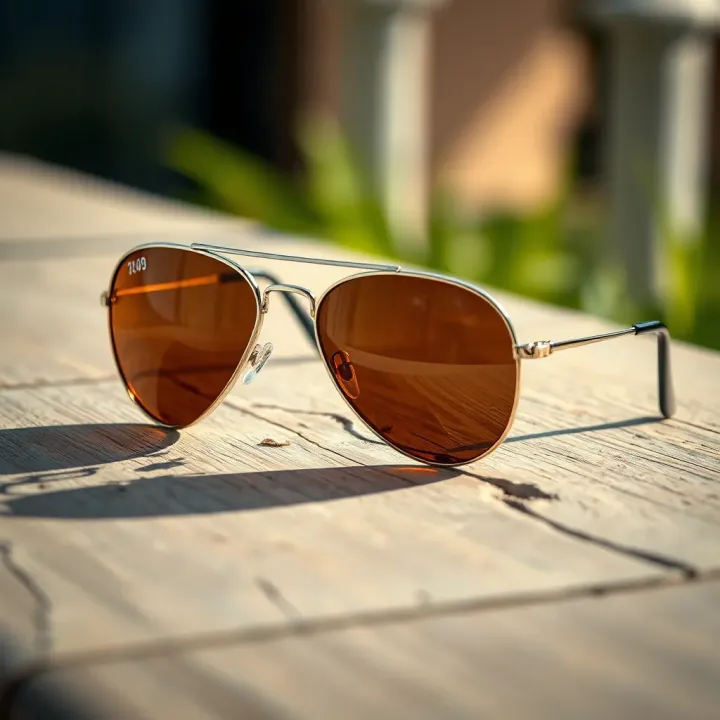
Key features that make aviators appealing include lightweight metal frames, large lenses with UV protection, and often, mirrored or polarized coatings that enhance clarity and comfort. Unlike bulky or stiff sunglasses, aviators are comfortable enough for daily wear, whether you’re headed to a tech hub like Yaba or chilling at a mama put after work.
For many Nigerians, having a reliable pair of aviators is not just about complementing their outfit but protecting their eyes from the harsh glare that can disrupt everyday activities—from driving to football viewing in outdoor stadiums.
In the coming sections, this article will explore how to select the right aviators for your lifestyle, the different types available on the market, especially from popular Nigerian retailers or online platforms, and advice on how to take good care of your sunglasses to extend their life and maintain their protective qualities.
By understanding both the style and function, you can make a choice that suits your daily needs and boosts your look with an authentic, quality pair of aviator sunglasses.
Understanding the origins of aviator sunglasses sheds light on why they remain popular and practical, especially in Nigerian settings where sun and glare are serious concerns. Their history isn’t just about style; it is rooted in real needs developed for pilots, which then found broader appeal. This knowledge helps users appreciate the blend of utility and fashion aviators offer.
Aviator sunglasses were initially created during the 1930s specifically for military pilots. The goal was to protect pilots’ eyes from the intense sunlight and glare experienced at high altitudes. In the Nigerian context, where strong sunlight is a daily challenge—especially on long commutes through Lagos traffic or open roads—this original purpose is still very relevant.
The design focused on blocking harmful ultraviolet (UV) rays and reducing glare without obstructing the pilot’s vision. This practical protection helped prevent eye strain and potential long-term damage, issues that any Nigerian driver or outdoor enthusiast can relate to under the midday sun.
The initial features were practical adaptations for airmen. Aviators sported large, teardrop-shaped lenses to cover the eye area fully. This shape ensured that sunlight from different angles wouldn’t penetrate. The thin metal frames kept the sunglasses lightweight, essential for pilots who had to wear them for extended periods. The double bridge increased frame durability without adding uncomfortable pressure. These characteristics gave aviators their signature look, one that combines effectiveness with comfort—important for anyone spending hours outdoors or in transit.
The leap from air force utility to civilian fashion was a gradual shift, powered heavily by popular culture and celebrities. In Nigeria, as in many parts of the world, actors, musicians, and public figures helped to raise the profile of aviator sunglasses. Nollywood stars and music idols wearing aviators at events and music videos made the eyewear an instant fashion symbol, signifying a blend of cool, confidence, and class.
Over time, aviator sunglasses evolved into everyday eyewear, sheding their exclusive military association. They became a versatile accessory that could fit casual outings, office settings, and formal occasions. For Nigerian youths and working professionals alike, aviators offer a unique balance between style and functionality, making them a popular choice in the local market.
Aviator sunglasses have travelled a long road–from shielding pilots to styling Lagos streets–proving that good design meets everyday needs.
Their journey from the cockpit to popular culture shows how well-designed accessories can cross boundaries and adapt to new roles. Whether you are tackling harsh sun during a day on an okada or attending a send-forth party, aviators suit the demands of Nigerian life with a timeless edge and practical protection.
Aviator sunglasses stand out primarily because of their unique design elements that blend style and functionality. For Nigerians navigating bustling Lagos streets or attending stylish events, these features make aviators both practical and fashionable. Understanding these characteristics helps in picking aviators that suit different lifestyles and weather conditions across Nigeria.
Teardrop-shaped lenses are the hallmark of aviator sunglasses. This shape was originally engineered to cover the entire eye area, providing maximum protection from sunlight entering at various angles. For Nigerians, especially those spending time on okada rides or on foot under the blistering sun, this design effectively shields eyes from harsh UV rays and dust.
The curved teardrop also cuts down on glare reflected off surfaces like roads or vehicles, which is helpful during rush hours in cities like Lagos or Abuja. Unlike round or square frames, the elongated curve fits naturally over the face, offering a broader coverage area without compromising comfort.
Thin metal frames and double bridge define the classic aviator structure. The lightweight metal—typically stainless steel or aluminium—makes the sunglasses durable yet comfortable for extended wear, essential for those navigating long hours outdoors in Nigeria’s climate.
The double bridge adds structural support, preventing the frame from bending easily while also giving a distinctive, sleek look. Beyond aesthetics, this feature helps maintain balance on the nose, reducing slippage during activities like climbing stairs in crowded markets or sitting in danfo buses where movement is constant.
When choosing aviators, the decision between polarised and non-polarised lenses is crucial. Polarised lenses reduce glare from reflective surfaces such as car hoods, wet roads, or sandy grounds. For Nigerian drivers or outdoor workers, this means clearer vision and less eye strain.
Non-polarised lenses still provide UV protection but may not filter intense glare efficiently. They work well for casual wearers who prioritise style or lighter protection, like attending social gatherings in shaded areas or indoor-outdoor events.
Common lens colours include green, brown, grey, and amber, each serving different practical purposes. Green lenses maintain colour balance and reduce glare, making them a good all-round choice for city life. Brown lenses enhance contrast, useful for Nigerians participating in sports or outdoor farming activities.
Grey lenses are neutral and reduce overall brightness without distorting colour perception, suitable for everyday use under Nigeria’s intense sunshine. Amber lenses excel in low-light conditions, providing sharper vision during early mornings or dusk, especially in regions affected by haze or dust.
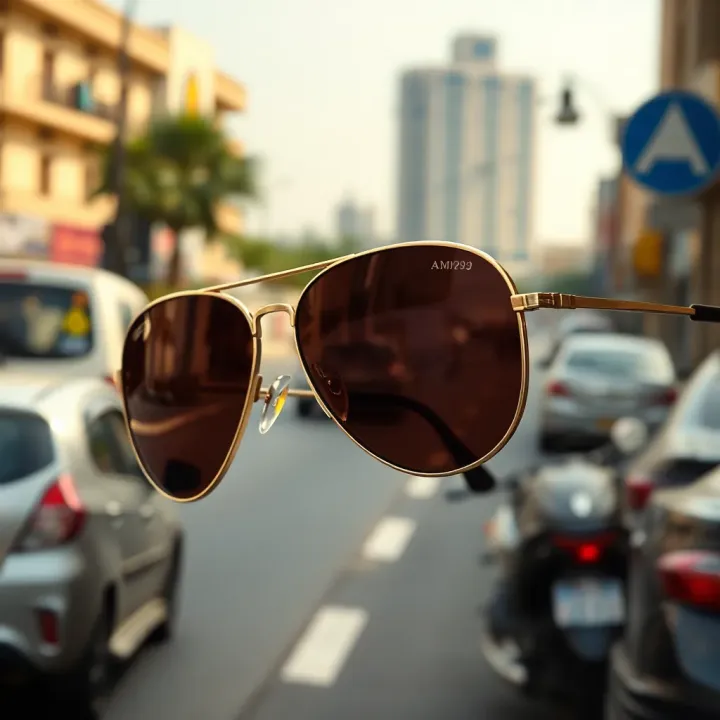
Choosing the right lens type and colour isn’t just about fashion—it directly affects comfort and safety on Nigeria’s roads and outdoor settings.
By paying attention to these distinctive features, Nigerian users can enjoy aviator sunglasses that suit both their style and daily environment.
Choosing the right aviator sunglasses in Nigeria isn’t just about style but also about enduring the country's unique environmental challenges. Whether navigating Lagos traffic jam under a blazing sun or relaxing at a beachside in Calabar, your sunglasses need to combine durability and effective sun protection. Selecting aviators that fit these needs ensures comfort, eye safety, and lasting value.
Metal frames remain a popular choice for aviator sunglasses due to their durability and classic appeal. Stainless steel or titanium frames withstand everyday knocks from commuting or outdoor activities better than many plastics. For instance, a GTBank executive commuting daily in Lagos might prefer a metal frame because it resists bending and breaking during unpredictable traffic scenarios.
Plastic frames, however, offer lighter weight and flexibility, which some users find more comfortable over long hours. Yet, they tend to wear out faster, especially under Nigeria’s intense heat. A tech-savvy youth spending long hours outdoors in Abuja might find plastic less ideal unless it’s a high-quality polymer designed for heat resistance.
Nigeria’s climate—with its hot sun and humidity—requires frames resistant to heat warping and corrosion. Metal frames made from corrosion-resistant materials like titanium don't rust or deteriorate easily, even with frequent exposure to sweat and rain during rainy season.
Plastic frames must be treated or manufactured to endure high temperatures without becoming brittle or discoloured. For example, aviators worn during ember months in Port Harcourt, where humidity is high, benefit from corrosion-proof frames that maintain their look and function.
With Nigeria’s strong sun intensity, UV protection is a must for any aviator sunglasses. Look for lenses that block 99 to 100% of both UVA and UVB rays. This level protects against long-term eye damage and reduces eye strain, especially for drivers commuting on sun-exposed highways like the Lagos-Ibadan Expressway.
Many local sellers offer aviators with UV400 certification. These lenses filter out harmful rays effectively and are a practical investment for frequent outdoor exposure. Avoid cheaper models without clear certification, as they might do more harm than good by allowing harmful rays through.
Anti-glare lenses cut down reflections from shiny surfaces such as windshields or puddles after rain, improving clarity while driving or walking through busy urban streets. For example, an online bettor moving around Ikoyi might find anti-glare aviators reduce eye fatigue during daytime.
Photochromic lenses adjust tint based on sunlight intensity. They darken outdoors and lighten indoors, handy for Nigerians moving between shaded offices and very sunny streets. This feature means you don’t have to switch between multiple pairs, making it perfect for professionals who attend meetings and then spend time in outdoors, like Lagos businesspeople.
When choosing aviator sunglasses in Nigeria, prioritise durability and reliable sun protection features. Frame material and lens technology directly affect comfort and eye safety throughout the year.
This combination of frame toughness and advanced lens options ensures you keep looking sharp and protect your eyes effectively, whether you are on okada, in a danfo, or at a weekend owambe.
Wearing aviator sunglasses in Nigeria goes beyond just looking fashionable; they offer practical benefits that suit the local environment and lifestyle. From shielding your eyes against intense sunlight to adding a style edge in social and work settings, aviators combine function with flair.
Reducing eye strain and UV damage
Nigeria’s tropical climate subjects the eyes to strong ultraviolet (UV) rays, especially during the long dry season and the ember months when sunlight is often glaring. Aviator sunglasses with proper UV protection reduce the risk of eye strain and long-term damage like cataracts or macular degeneration. For someone who spends many hours outdoors, such as a commercial motorcyclist (okada rider) or a trader at a kiosk under direct sun, these sunglasses help keep the eyes comfortable and healthy.
Blocking dust and debris during commutes
Navigating Lagos traffic in a danfo or while riding a bike often exposes the eyes to dust, smoke, and airborne particles. Aviators offer a practical barrier against these irritants. Their teardrop-shaped lenses cover more of the eye area compared to ordinary sunglasses, effectively preventing dust from getting in. This feature benefits daily commuters and outdoor workers alike by reducing tearing, redness, and the risk of infections.
Enhancing personal style
Aviator sunglasses carry a timeless appeal and have become a status symbol in Nigeria. Whether worn with casual streetwear or agbada at an owambe party, aviators elevate the wearer’s style. Popular Nigerian musicians and celebrities frequently sport them, which has boosted their desirability among youths and fashion-conscious individuals. The sleek design signals confidence and modernity without being flashy.
Suitable for both casual and formal occasions
One unique trait of aviators is their versatility. You can pair them with jeans and sneakers for a casual outing or with a tailored suit at a boardroom meeting. This flexibility makes aviators an ideal accessory for professionals and socialites who need eyewear that fits different environments seamlessly. For example, attending a networking event in Victoria Island or enjoying weekend brunch at a Lagos rooftop can both call for the same stylish aviators.
In Nigeria’s varied climates and vibrant social scenes, aviator sunglasses are a smart investment that blend eye protection with effortless style.
These combined advantages make aviators more than just an accessory — they are a practical part of everyday life for many Nigerians navigating the sun-baked roads and the bustling social circuits.
Choosing the right aviator sunglasses is more than just picking a pair that looks cool. In Nigeria’s intense sun and bustling streets, the right fit and quality can make a real difference. A proper choice means better eye protection, comfort during long outdoor activities, and a style that complements your personal features.
Matching aviator styles to face contours helps your sunglasses look natural and flattering. For instance, if you have a round face, aviators with sharper, more angular frames add definition and balance. Conversely, people with square faces might find the classic teardrop lens softens their jawline nicely. Those with heart-shaped faces benefit from frames that are wider at the top to harmonise with broad foreheads.
Beyond style, frame size matters for comfort. Wearing oversized aviators on a small face can feel awkward and slip off easily, especially when you are moving about Lagos traffic or commuting by danfo. Choose a frame size that covers your eyes fully without overwhelming your features. As a practical tip, try on several models and check that the frames don’t pinch your temples or sit heavy on your nose.
Comfort affects whether you'll wear your sunglasses all day without fuss. Look for adjustable nose pads and lightweight metal frames — often titanium or stainless steel — which allow for prolonged use without discomfort. If you plan to use them during outdoor activities like hiking or driving long distances, ensure the fit doesn’t cause pressure marks or headaches.
Authentic UV protection in aviator lenses is paramount under Nigeria’s fierce sun. Not all sunglasses block harmful ultraviolet rays effectively, so verify that the lenses offer 100% UV400 protection. This specification ensures full blockage of UVA and UVB rays that cause eye strain and other long-term damage.
Besides UV protection, quality lenses reduce glare, which is especially useful during the blazing midday sun or when driving on reflective surfaces like tarred roads. Polarised lenses can make a big difference here by cutting glare without distorting colours.
Avoiding cheap imitations is critical. Markets in Lagos and elsewhere sell countless low-quality aviators that look good but fail on protection and durability. Such fakes might not shield your eyes adequately and can distort vision, increasing the risk when driving or crossing busy streets. It’s best to buy from reputable outlets or trusted brands, even if it means spending ₦5,000–₦10,000 more. That small difference in price goes a long way in preserving your eye health and ensuring your sunglasses last longer.
Choosing aviator sunglasses with the right fit and authentic lenses protects your eyes and keeps you looking sharp, whether you’re navigating ember months traffic or attending weddings in style.
In summary, focus on matching aviator frames to your face shape for style and comfort, while prioritising genuine UV protection and reliable build quality. This approach guarantees that your sunglasses serve both fashion and function effectively in Nigeria’s unique environment.
Keeping your aviator sunglasses in good shape matters, especially under Nigeria’s tough sun and bustling city life. Proper maintenance prolongs their functionality and preserves the style you've invested in. With Lagos traffic and constant exposure to dust and heat, careless handling can quickly lead to scratches, loose parts, or fading lenses.
Cleaning aviator sunglasses using the right materials is key for clear vision and lens protection. Avoid rough fabrics or your shirt sleeves; instead, opt for a microfiber cloth designed for glasses. These cloths gently wipe away dirt and smudges without scratching the lenses.
When it comes to cleaning solutions, use those made specifically for eyewear or a mix of mild soap and water. Harsh chemicals common in household cleaners can damage lens coatings, reducing UV protection. For instance, rinsing your aviators with clean water before wiping helps remove fine sand or grit, which could scratch the lenses if rubbed directly.
Storing sunglasses properly prevents damage and keeps them ready for use. Always keep your aviator glasses in a hard case when not wearing them. Pockets, bags, or dashboards offer little protection from scratches or bending, especially given the often crowded and dusty environments in Nigerian cities.
A hard case guards your glasses from accidental drops or being crushed, which can warp the thin metal frames or snap the nose pads. Also, avoid placing your sunglasses face down on any surface. A simple habit like this can severely scratch lenses, dimming your view over time.
Loose screws are common issues with aviator sunglasses, especially the small hinges connecting the arms to the frames. Carry a tiny screwdriver for eyewear repair or visit a specialist if you notice wobbling or arm loosening. Tightening screws promptly prevents further damage such as falling arms or worsened frame misalignment.
Broken frames or torn nose pads also pop up after frequent use under rough Nigerian conditions. Don’t leave these unattended. A warped frame affects fit and comfort, while missing nose pads reduce grip, making the glasses slide off easily, especially in hot, sweaty weather.
Quality replacement parts for aviators are available in Lagos, Abuja, and other major cities through optical shops and dedicated eyewear repair centres. Trusted stores often stock genuine or high-quality aftermarket components that fit well and maintain your sunglasses' original performance.
Online marketplaces popular in Nigeria, like Jumia and Konga, also offer spare parts, but inspect reviews carefully to avoid cheap or counterfeit items. For lasting repairs, upon spotting issues, visit an established eyewear professional rather than trying to fix them with general tools or cheap substitutes.
Regular care stops small problems from becoming costly replacements. Your aviators should stay sharp, protective, and stylish for years if you clean carefully, store properly, and fix promptly. This keeps them ready to shield your eyes through Lagos traffic, ember months dust, and sunny outings alike.
✈️ Discover pinup aviator style blending vintage aviation fashion with classic pinup charm. Learn how to rock this iconic look in everyday Nigerian fashion 🔥

Explore the top mobile casinos in Nigeria 🎰 with safe play, diverse games, easy ₦ payment options, and smooth user experience. Get tips for smart gaming on the go 📱.

🎲 Learn how to open your Naijabet account step-by-step with ease. Get verified, fund using Nigerian payment methods, and start betting confidently today! ₦

✈️ Explore the remarkable journey of early aviators, their tech breakthroughs, and lasting effect on Nigeria’s transport and economy today 🌍🛫
Based on 5 reviews