
Old Naijabet Mobile 2013: Login, Registration & Features
Edited By
Chinedu Eze
Kickoff
Back in 2013, Naijabet brought something fresh to Nigeria’s online sports betting scene with its mobile platform. At a time when internet access on phones was still growing, Naijabet’s mobile site and app made it easier for punters across Lagos, Abuja, and beyond to place bets without being tied to desktop computers.
The 2013 Naijabet mobile experience was straightforward but practical. Users could quickly register on their phones using minimal data, an important feature given that mobile internet was not yet widespread or consistently affordable. The registration process typically asked for basic details like phone number, email, and preferred username, which was quite user-friendly compared to clunky desktop forms.
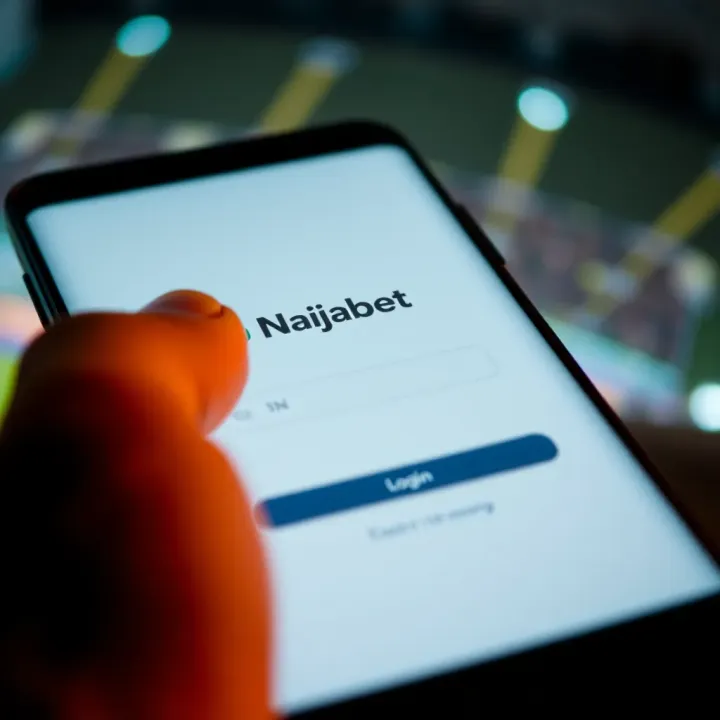
Login was equally simple, relying mostly on username and password. The app remembered user credentials after the first login, so bettors did not have to input details every time they wanted to check odds or place bets. This convenience was a big boost for busy punters juggling daily life and football fixtures.
What set that early Naijabet mobile apart was its focus on essentials. It provided access to popular Nigerian football leagues, such as the NPFL, alongside major European leagues, with live odds updates and simple bet slips. This meant users could make quick decisions on where to stake their naira without delays.
The mobile platform’s design reflected the realities of Nigerian internet users back then: low bandwidth, frequent power outages, and limited smartphone penetration.
Still, the app managed to offer a decent selection of betting markets, ranging from match results to goal scorers, and even accumulators. The layout was light, avoiding heavy graphics that would slow down older mobile devices common among many Nigerians.
This early Naijabet mobile platform laid the groundwork for more sophisticated betting apps that followed. It opened sports betting to a wider audience, especially younger Nigerians comfortable with mobile tech but craving affordable, accessible options. Looking back, it's clear how Naijabet's approach in 2013 contributed to the mainstream acceptance of online betting on mobile devices in Nigeria.
In the sections that follow, we'll cover exactly how to register and login on that 2013 platform, alongside an overview of its key features and user experience. This glimpse into the past helps us appreciate how much Nigerian mobile betting has improved—and the role Naijabet played in that journey.
Preface to Naijabet Mobile Platform in
Understanding Naijabet’s mobile platform in 2013 offers a clear window into how sports betting evolved in Nigeria at a time when mobile technology was just gaining ground. This period marked an important shift; more bettors began favouring mobile access over desktop, driven by the rise of affordable smartphones and broadened internet availability. For many Nigerian punters, especially youths and sports fans, this change meant quicker, more flexible access to bets from anywhere—whether after work in Lagos traffic or at a neighbourhood mamaput.
The relevance of this introduction lies in showing how the platform's design and functionality addressed key challenges that Nigerian bettors faced then. For example, Naijabet’s mobile app was among the early adopters to offer simple login and registration processes tailored to local realities, such as slow networks and limited data plans. This approach helped lower entry barriers and encouraged more people to trust online sportsbooks.
Overall, exploring Naijabet's mobile platform at that time helps put current mobile betting trends and app innovations into perspective. It highlights how foundational features — easy registration, straightforward login, and user-friendly design — began to take root and impact the broader sports betting scene in Nigeria.
Overview of Naijabet as a Nigerian Sportsbook
Naijabet in 2013 had established itself as a notable sportsbook with a focus on local football leagues and international matches popular among Nigerian fans. Its betting markets covered a wide range of sports but with particular emphasis on the Nigerian Professional Football League (NPFL) and English Premier League games, which command massive support in Nigeria.
Unlike more global sportsbooks, Naijabet’s strength was in engaging Nigerian bettors through localised content and offering payment options that Nigerians could actually use reliably. It accepted payments via bank transfers, USSD codes, and debit cards from Nigerian banks, which was a big plus. The platform also featured promotions and bonuses scaled for Nigerian users, setting it apart from international rivals who focused mainly on global markets.
Naijabet’s presence in Nigeria also came with more attentive customer support tailored to local time zones and payment methods. This helped build trust among users wary of online scams, a big concern in the Nigerian betting environment.
Mobile Betting Trends in Nigeria Around
In 2013, the sports betting industry in Nigeria was starting to lean heavily on mobile technology, though still emerging. Many Nigerians did not own smartphones yet, but feature phones capable of USSD and Java-based apps were common. Thus, betting platforms including Naijabet developed apps and mobile sites that worked not just on Android or iOS but also on these lower-spec devices.
The trend was supported by the expanding reach of 3G networks beyond urban centres like Lagos and Abuja to smaller towns. This connectivity shift enabled more Nigerians to place bets on the go, without having to visit physical betting shops or use desktop computers.
Betting companies began exploiting this by simplifying access through mobile, launching apps with minimal data consumption and faster loading times. Naijabet particularly benefited because its platform allowed quick navigation, helped users register swiftly, and made login easy, even for first-time bettors.
Mobile betting also encouraged increased participation in live betting markets. Punters could follow matches on their phones and place real-time bets, which wasn't as practical before mobile platforms gained popularity.
Mobile betting in Nigeria circa 2013 was more than a technological upgrade; it reshaped how Nigerians engaged with sports betting, making it more immediate, accessible, and part of daily conversation across different social settings.
By focusing on local needs and the realities of Nigerian users, Naijabet positioned itself well in the evolving mobile betting space during this dynamic period. Understanding this foundation helps explain the role it plays in today’s betting environment.
How to Register on the Old Naijabet Mobile Platform
Registering on the old Naijabet mobile platform was the first step for many Nigerian punters who wanted to bet conveniently using their phones in 2013. This process opened up access not only to a range of sporting events but also to the sportsbook’s evolving mobile experience. Doing this right back then mattered because mobile betting was still growing in Nigeria, and a smooth registration prevented future headaches logging in or claiming winnings.
Step-by-Step Registration Process
To register on Naijabet in 2013, users had to follow a clear but straightforward sequence designed for mobile devices that weren't as smart as today’s gadgets:
Visit the Naijabet mobile site or download the app – Since smartphone apps were less common, many punters accessed the platform via mobile browsers.
Select the registration option – A button or link would bring you to the sign-up form.
Fill in basic personal details – This included name, phone number, email address, and preferred username.
Set a strong password – It was important to choose a password that combined letters and numbers to avoid easy hacking.
Enter date of birth and location – Age verification was crucial to meet legal betting requirements in Nigeria.
Agree to terms and conditions – Users had to consent to the platform’s betting rules and privacy policies.
Submit the form and verify the account – Usually via an SMS code sent to the provided phone number.
Once these steps were completed, the user could log in and start placing bets.
While the process seemed simple, it was essential to provide accurate information to avoid issues with withdrawals or account verification later.
Common Issues During Registration and How to Solve Them
Some punters faced challenges during registration, often due to mobile network issues or mistakes in inputting details:
Delayed or missing SMS verification code: Often, network interruptions could delay receiving the code. Users were advised to switch to a better network area or request the code again after a short wait.
Incorrect personal information: Mistyping email or phone numbers led to failed verification. Double-checking details before submission was key.
Password restrictions misunderstood: Some users struggled with password rules, like minimum character length or mixing letters and numbers. Following on-screen guidelines helped resolve this.
Browser compatibility problems: Older phones with limited browser support sometimes failed to load the registration page properly. Using popular browsers like Opera Mini or updating the browser improved success rates.
Addressing these issues ensured that the registration process was smooth and allowed easy access to Naijabet’s mobile betting services in 2013.
In summary, understanding how to register on the old Naijabet mobile platform gave users a significant edge in enjoying sports betting at their convenience, especially at a time when mobile access was still taking root in Nigeria.
Logging In to Your Account on the Old Naijabet Mobile App
Logging in to your account on the old Naijabet mobile app was a vital first step for anyone who wanted to place bets or check their betting activity back in 2013. Since Naijabet was among the early adopters of mobile betting in Nigeria, understanding how to securely access your account meant you could enjoy betting right from your phone without going through the hassle of desktop access. Access to your account ensured you had full control over your funds, bets, and updates on ongoing matches.
Accessing the Login Page and Required Credentials
To log in, users simply opened the Naijabet app on their mobile device, which was designed to support both Java-enabled phones and early smartphones. The login page was straightforward, requesting two main credentials: your registered username or email address and your password. These details were the key to unlocking your betting dashboard.
The simplicity of the login interface reflected the emphasis on speed and ease at a time when internet connections could be slow and unstable in many parts of Nigeria. For example, if you registered with a username like "adebola99", you would enter this alongside your secret password. The app would then verify this information with Naijabet’s servers before granting access.
Remember, keeping your credentials safe was essential to avoid others placing bets on your account or making unauthorised withdrawals.
Troubleshooting Login Problems
Users sometimes faced issues logging into their old Naijabet accounts, and these problems mostly stemmed from forgotten passwords or unstable internet connectivity. When users d their passwords, the app would simply reject the attempt without revealing sensitive information—typical security practice. Naijabet offered a password recovery option through the registered email, where a reset link or temporary password was sent, helping users regain control quickly.
Connectivity was another hurdle. Many Nigerian punters depended on 2G or 3G networks at the time, causing timeouts or failed login attempts. Switching to a better network or retrying after a short period usually solved this. Also, clearing the app cache or reinstalling the old mobile app sometimes fixed persistent login glitches.
In rare cases, account lockouts occurred after multiple failed attempts to prevent fraud. Users could bypass this by contacting Naijabet customer service via phone or email to verify their identity and receive assistance.
Having a registered email and phone number linked to your Naijabet account made the recovery process smoother and is still an essential practice today.
Logging in was the gateway to unlock Naijabet’s mobile betting potentials, allowing punters to enjoy Nigerian sports betting with ease and confidence on their phones, even back in 2013.
Features of the Naijabet Mobile App Back in
Back in 2013, Naijabet’s mobile platform stood out by offering features tailored to Nigerian bettors who valued convenience and simplicity. Understanding these features sheds light on how Naijabet laid the groundwork for today’s more advanced betting apps. From ease of navigation to the variety of betting options, each feature played a part in attracting a rapidly growing user base.
Interface and User Experience
The app's interface was straightforward and uncluttered, designed to work well even on low-end smartphones common in Nigeria at the time. Users could easily locate matches, place bets, or check results without unnecessary distractions. The use of clear fonts and simple colours helped reduce data consumption, a big deal for many punters using limited data plans or slow networks.
Navigation relied heavily on menus that highlighted popular sports like football and basketball, with quick access buttons for live betting and upcoming events. This setup gave users a sense of control and speed, especially useful during busy match days. Though not flashy, the app focused on practicality, ensuring it loaded fast even on 2G or 3G networks which were widespread across many Nigerian states.
Available Betting Options and Markets
Naijabet offered a solid range of betting markets focusing mainly on Nigerian and international football leagues, including the Nigerian Professional Football League (NPFL) and English Premier League. Live betting was available but more limited compared to what we see today.
Bettors could place wagers on outcomes like match results, over/under goals, and first goal scorer. This variety allowed punters to explore different strategies without being overwhelmed. Additionally, special bets on Nigerian league matches were occasionally included, catering to local enthusiasts who followed clubs like Enyimba and Kano Pillars intensely.
Payment Methods and Withdrawal Processes
In 2013, Naijabet supported payments primarily through bank transfers and USSD codes, reflecting the dominant payment methods in Nigeria then. Users could fund their accounts using their bank apps or by dialling USSD codes from networks like MTN and Airtel, which provided a quick, secure way to deposit.
Withdrawals were processed via bank transfers, usually within 24 to 48 hours. While the process was slower compared to modern instant payouts, it was reliable and transparent, building trust among customers. Importantly, direct card payments or popular e-wallets like Paystack or Flutterwave integration were not yet available; this limited some users but reflected the payment tech landscape at that time.
Despite its simplicity, the 2013 Naijabet mobile app delivered reliable features that met the needs of Nigerian sports bettors navigating early mobile betting. It balanced user experience and functionality well for the period.
In all, these features combined to create a practical and appealing mobile betting experience, making Naijabet a go-to platform for many Nigerian punters during the early 2010s.
Evolution and Legacy of Naijabet’s Mobile Platform Since
Since its early days in 2013, Naijabet’s mobile platform has undergone significant changes that shaped its current standing in Nigeria's sports betting scene. Understanding this evolution offers valuable insights into how early challenges were tackled and how the platform grew to meet changing user expectations and technology trends. For Nigerian punters, this history explains why Naijabet remains a trusted name amid fierce competition, especially as mobile betting became Nigeria's dominant channel.
Updates and Improvements Over the Years
Naijabet's mobile app has seen numerous updates since 2013, mainly aimed at improving usability, speed, and reliability. The original platform, while revolutionary then, had limitations such as slower navigation, limited bet market options, and basic security features. Over time, Naijabet introduced more user-friendly interfaces that responded better to struggling network conditions common in Nigeria. For example, newer versions adopted lightweight designs that saved data and sped up load times, which was a practical fix for users relying on data bundles.
On the betting side, Naijabet expanded its markets far beyond local football matches to include international leagues, live betting options, and virtual sports. Plus, payment methods evolved from simple bank transfers and USSD codes to instant wallets using platforms like OPay and Flutterwave, which Nigerians find more convenient and accessible. Withdrawal processing times also reduced, providing punters faster access to their winnings. These updates reflect a pattern where Naijabet listened to users and government regulations, steadily improving both tech and services.
Impact on Nigerian Sports Betting Industry
Naijabet’s early foray into mobile betting influenced how competitors approached online sports wagering in Nigeria. It demonstrated the potential for mobile platforms to reach a wider market, especially younger punters who preferred smartphones to desktop PCs. This pushed other bookmakers to invest heavily in developing their mobile apps or responsive websites.
Moreover, Naijabet helped popularise accessible betting through USSD and mobile apps at a time when many Nigerians were still cautious about online transactions. By providing secure, straightforward registration and login processes and integrating popular local payment options, Naijabet set a standard other operators aimed to meet. This also contributed to the more regulated environment we see today, with the Nigerian Betting Commission increasing oversight informed partly by early experiences with platforms like Naijabet.
Naijabet's journey since 2013 shows that innovation adapted to local realities—network challenges, payment preferences, and user behaviour—is key to success in Nigeria’s growing sports betting market.
Overall, Naijabet’s mobile platform evolution underlines how sustained improvements and understanding user needs have cemented its place among Nigeria’s top sportsbooks. For today’s punters, this legacy means access to a robust, convenient, and secure betting experience built from years of refining the mobile user journey.
FAQ
Based on 13 reviews