
Old Naijabet Mobile 2013: Login, Registration & Features
Explore the old Naijabet mobile app from 2013 📱, learn how to register and login, and see how it shaped sports betting across Nigeria 🇳🇬 with easy access to bets.
Edited By
Charlotte Ojo
Back in 2013, Naijabet was among the early online sports betting platforms accessible to Nigerian punters via mobile phones. At the time, internet penetration in Nigeria was growing but still faced issues like slow connections and expensive data plans. Still, Naijabet's mobile login system was designed to be as user-friendly as possible within these limits.
The login process itself was straightforward but basic compared to today's rich interfaces. Users entered their username and password on a simple mobile web page, with no dedicated app available then. The site was optimised for feature phones and early smartphones, using minimal graphics to reduce data usage and loading time. This made it accessible even on slow 2G networks common across many parts of Nigeria.
Lightweight Design: The mobile interface avoided heavy images or animations, ensuring faster page loads.
Basic Navigation: Menus were simple, focusing on key betting markets like football, basketball, and popular local leagues.
Secure Sessions: Although SSL was not yet widespread, Naijabet used basic encryption protocols to protect user credentials during login.
Despite these features, many users faced hurdles. For example, unstable internet connections meant login sessions often timed out abruptly, causing frustration. Also, some older phones struggled to display the site properly, limiting access to more tech-savvy users with newer devices.
On top of that, regular power outages and high cost of phone data made consistent betting via mobile challenging for many Nigerians, especially outside urban centres.
Naijabet's 2013 mobile login marked a turning point by bringing sports betting directly to Nigerian phones, but it also revealed the tech and infrastructure limits that users had to navigate.
Since then, Naijabet improved its mobile platform significantly, introducing dedicated apps compatible with Android and iOS. These modern versions support richer graphics and faster load times, responding to Nigeria's improved 3G and 4G networks. Plus, features like biometric login and USSD betting options now cater to users with less sophisticated devices.
Understanding the 2013 version gives valuable context on how far mobile betting in Nigeria has come – from a simplistic, data-light portal to today’s feature-rich platforms that thousands rely on daily.
Understanding the context of Naijabet's mobile platform in 2013 helps explain why its login process and features mattered to Nigerian users at the time. That year marked a beginning for many sports bettors who sought convenient access to online betting beyond desktops. Naijabet targeted the growing mobile crowd by tailoring its platform to work with the limited technology and internet speeds available, despite challenges. This overview gives insight into Naijabet's position in the local market and how Nigeria’s mobile internet environment shaped the platform’s accessibility and user engagement.
Naijabet entered the Nigerian betting scene as a focused sports betting site with ambitions to dominate local markets. In 2013, it was among the few operators that actively promoted mobile access at a time when many competitors focused primarily on desktop platforms. This gave Naijabet a competitive edge, especially among younger, tech-forward Nigerians who preferred betting on their phone or early smartphones rather than desktops. Naijabet’s brand recognition grew largely from offering simple navigation, reasonable odds, and localised football markets like the Nigerian Professional Football League (NPFL).
In 2013, Nigeria’s mobile internet infrastructure was still developing. Network coverage was patchy outside big cities, and many users relied on 2G and emerging 3G networks, which were often slow or unstable. Data costs were relatively high for the average user, making heavy mobile browsing expensive. Mobile devices varied greatly—from basic feature phones to early Android smartphones, many imported as tokunbo units. This variety meant website compatibility and efficiency were vital, encouraging Naijabet to optimise its mobile site for low bandwidth and different screen sizes.
The limited internet speeds and device restrictions forced Naijabet to design a lightweight, fast-loading mobile experience to keep users engaged despite network hiccups.
Because smartphones were becoming more common but still not widespread, Naijabet’s mobile platform needed to function well on the basic devices most users had. This included ensuring the login process was straightforward without demanding excessive data or storage. By securing a foothold early with Nigeria’s mobile bettors, Naijabet set a foundation for future growth as the country’s internet landscape improved.
This section lays the groundwork to appreciate how users in 2013 accessed Naijabet on their phones and why the platform’s features and challenges reflected the realities of that time.
Accessing Naijabet mobile back in 2013 was a key part of how Nigerian punters got connected to online betting, especially when smartphones were just gaining traction. The login process stood as the gateway for users to place bets, check results, and manage their accounts straight from their phones. Understanding this process gives a snapshot of what early mobile betting felt like in Nigeria and highlights how Naijabet managed user access amid limited internet speeds and device constraints of the period.
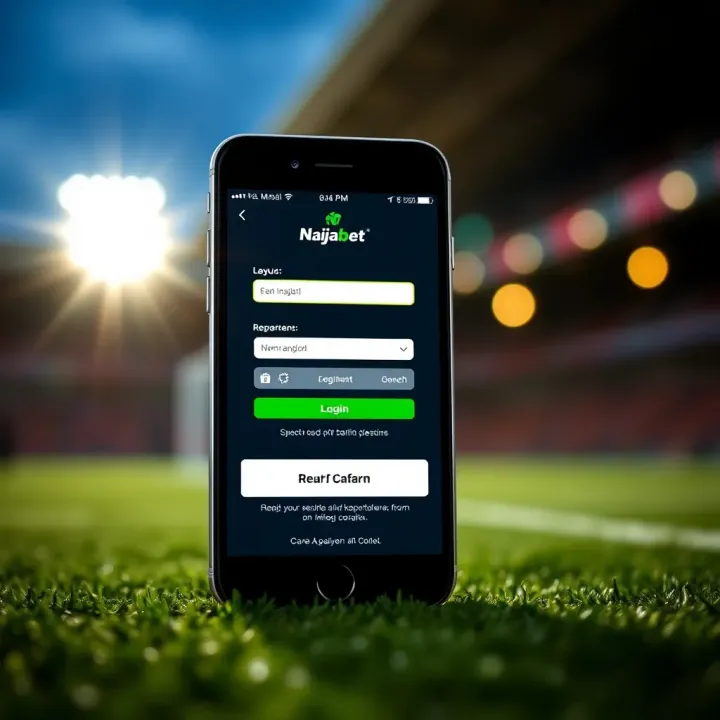
Logging into Naijabet mobile in 2013 was straightforward but required steady internet, which many Nigerian users found challenging. First, users opened their mobile browser and entered the Naijabet mobile URL. The platform primarily supported basic browsers like Opera Mini or early versions of Chrome and Firefox on Android devices. Once the page loaded, the login form appeared, prompting for a registered username and password. After filling in the credentials, users clicked the login button, which redirected them to their dashboard.
To make the experience smoother, some users preferred using the USSD code system or SMS betting options offered by Naijabet since not everyone had regular access to smartphones or stable internet. These alternatives aided bettors who used feature phones or faced data restrictions. Nevertheless, mobile site login remained essential for those wanting full access to odds, live betting, and wallet management.
The older Naijabet login process had several challenges that frustrated mobile users. Slow or inconsistent mobile internet caused pages to load halfway or time out. For example, users on slower 2G networks mostly found the site sluggish. A common fix was to use the Opera Mini browser, which compressed data and sped up browsing.
Another issue was forgotten passwords; without modern password recovery tools, users often needed to contact customer support manually, which could take time due to poor response speed. Some users also complained about login session drops — losing access after brief inactivity. The platform's security measures lacked the sophistication to manage this smoothly, so users had to re-login frequently.
Mobile data cost and speed were critical factors that shaped the login experience in 2013. Many users had to balance their appetite for betting with limited airtime and data bundles.
Naijabet's 2013 mobile platform was designed to work across a range of devices, but it favoured simpler smartphones and feature phones. Most Nigerian users then had either mid-range Android phones or Nokia feature phones. The site was largely optimised for browsers like Opera Mini, which was popular because it saved data and worked well on slow networks.
Unfortunately, users with older Symbian or Blackberry phones sometimes faced display issues or couldn’t access certain features. The mobile site was also less compatible with iPhone browsers at the time, as Apple’s Safari was not commonly used among Nigerian bettors then. Overall, Naijabet made an effort to keep the login accessible through as many devices as possible, but technological limitations imposed real challenges.
The 2013 login experience reflects an era when mobile betting was just getting onto the Nigerian scene, shaped by basic technology and varying internet conditions. While less smooth than today, it set the stage for future improvements in mobile betting platforms that Nigerians now enjoy.
In 2013, Naijabet was pioneering mobile betting for Nigerian users when smartphones were still gaining ground. Understanding the platform's features and design is key to appreciating how it met local needs despite technological constraints at the time. The login process was just one piece—how users interacted with the site influenced their overall betting experience.
Naijabet's 2013 mobile platform offered a straightforward range of betting options, focusing primarily on football markets, which remain Nigeria’s most popular. Daily match previews, quick bet slips, and live score updates were part of the core features. These allowed users to place bets on various leagues across Europe and local Nigerian fixtures.
Another important feature was the account management tools. Users could check balances, view bet history, and request withdrawals directly from their phones. While limited compared to today's apps, these utilities were crucial for mobile punters, who often relied on their phones as their main connection to the internet.
Moreover, Naijabet supported multiple payment methods relevant to Nigerians of that era, including bank transfer and mobile money options such as Paga and mobile recharge cards. This flexibility helped users fund their accounts despite sometimes erratic banking or network conditions.
The design of Naijabet's mobile site in 2013 reflected the realities of emerging mobile internet use in Nigeria. It was minimalistic, mainly text-based, with small graphics to reduce data consumption—a key concern when many Nigerians relied on limited-data plans or 2G/3G networks.
Navigating the site was simple: menus were vertical and easy to scroll through, with clear labels indicating 'Sports', 'Live Betting', 'My Account', and 'Help'. The straightforward layout meant even those less familiar with smartphones could find their way around.
That said, the site had limitations. Page loading times could stretch under poor network conditions, and the absence of an app meant users depended on their browser, which wasn't always fully compatible with all devices, especially older feature phones common in rural areas. Yet, Naijabet’s approach prioritised usability over flashy design, ensuring key functions were accessible even on basic gadgets.
Naijabet’s mobile interface in 2013 showed early adaptation to Nigeria's tech environment — prioritising speed, simplicity, and local relevance to bring sports betting closer to the average Nigerian punter.
In summary, Naijabet’s 2013 mobile platform balanced essential betting features with a design suited to the local mobile landscape. Its focus on practical tools, lightweight navigation, and sensible payment options laid the groundwork for what has become a more robust and user-friendly service today.
Back in 2013, mobile internet access in Nigeria was far from perfect, and this reality shaped how users interacted with platforms like Naijabet. Understanding these challenges sheds light on why the Naijabet mobile login experience was as it was, and why users sometimes found it difficult to place bets on the go. The difficulties were not just technical but also affected customer confidence and usability.
Network coverage in Nigeria during 2013 was patchy, especially outside big cities like Lagos and Abuja. Many users faced frequent signal drops and slow internet speeds on 2G or early 3G networks. For instance, someone trying to log in from their phone while on a danfo ride in a congested Lagos area might experience constant disconnections or timeouts. Data costs were also relatively high compared to average incomes, making prolonged browsing or live betting expensive. These factors meant that even accessing Naijabet’s mobile site was sometimes a test of patience, discouraging regular use among less tech-savvy bettors.
Another hurdle was the quality of devices available to Nigerian users. Most smartphones then were basic feature phones or low-end Android devices, many of them tokunbo imports. These devices often had limited processing power, small screens, and slow browsers, which struggled to render web pages properly. Naijabet’s mobile site, designed for simplicity, still posed navigation challenges when pages took too long to load or buttons didn’t respond well on touchscreens. For example, a user trying to quickly place a bet during halftime of a football match might miss their chance because the device froze or the site lagged, leading to frustration and lost bets.
In 2013, awareness around mobile security was growing but still limited among many Nigerians. Mobile betting involved inputting personal details and financial information, which raised concerns about data safety. Cases of phishing scams and fake mobile sites targeted desperate punters, causing mistrust. The lack of widespread usage of two-factor authentication and encrypted connections made some wary of using Naijabet’s mobile platform openly. A typical fear was accidentally submitting login details on an insecure Wi-Fi network at a mama put or keke park, exposing private data to hackers. These security worries slowed down adoption, especially for users without proper guidance on safe mobile betting practices.
Navigating poor networks, device constraints, and security doubts made mobile betting a balancing act for Nigerian users in 2013. These challenges define the early phase of mobile betting in Nigeria and illustrate why platforms like Naijabet had to evolve continually.
Despite these barriers, mobile betting in Nigeria has grown considerably since. Knowing these early struggles gives context to the improvements in later years. It also reminds punters today to appreciate the progress and have realistic expectations about past experiences.
Naijabet’s mobile platform has come a long way since 2013, adapting to changes in technology and the Nigerian market. This evolution matters because it shows how the platform has tackled earlier limitations, offering punters a smoother, safer, and more intuitive betting experience. Understanding these developments helps Nigerian sports enthusiasts appreciate how mobile betting has grown alongside smartphone penetration and internet access.
Back in 2013, logging into Naijabet’s mobile site involved simple username and password inputs, often without added layers of security. Since then, Naijabet has introduced more robust verification methods to protect users’ accounts. Two-factor authentication (2FA), requiring a one-time password sent via SMS or email, is now common. This step significantly reduces the risk of unauthorised access, especially in a context where shared phones are frequent.
Additionally, the platform began integrating Bank Verification Number (BVN) verification during registration and withdrawals, offering an extra protection layer in line with CBN financial regulations. This system also helps reduce fraudulent activities, which were more prevalent during the early days of mobile betting in Nigeria.
While the 2013 Naijabet mobile site was mostly browser-based with limited interactivity, the platform now supports dedicated mobile apps for Android and iOS. These apps load faster, consume less data, and provide a richer user interface tailored to Nigerian users.
Features like live streaming of matches, instant bet placement, and detailed statistics have been added, making sports betting more engaging and accessible. Push notifications keep punters updated on match results and special promotions, which was not available in earlier versions.
The improvements in app development also consider Nigeria’s often unstable internet connectivity. The apps can work offline partially, syncing bets and updates when connection resumes, helping users avoid losing their stake due to network issues.
The exponential rise in smartphone use, cheaper data plans from providers like MTN and Airtel, and improved 4G coverage have transformed Nigeria’s mobile landscape since 2013. Naijabet has recognised these trends by optimising its platform for lower-end devices, common among most Nigerian users, ensuring smooth performance without heavy battery drain.
Moreover, the platform expanded payment options to include mobile money wallets like OPay and PalmPay, alongside traditional payment methods. This reflects an understanding of Nigerians’ diverse financial habits and the popularity of fintech solutions across the country.
It’s clear that Naijabet’s continued evolution has made mobile betting more secure, efficient, and tailored to Nigerian users’ realities. Punters now enjoy fast logins, enhanced app features, and flexible payments – all crucial for a better betting experience in Nigeria today.
This ongoing adaptation lays the foundation for even more innovations as Nigeria’s mobile market keeps growing and users demand faster, safer, and smarter sports betting solutions.
Explore the old Naijabet mobile app from 2013 📱, learn how to register and login, and see how it shaped sports betting across Nigeria 🇳🇬 with easy access to bets.
Explore the old NaijaBet mobile experience 📱—features, ease of access, and updates. Understand its place in Nigeria's sports betting scene ⚽ and user concerns.
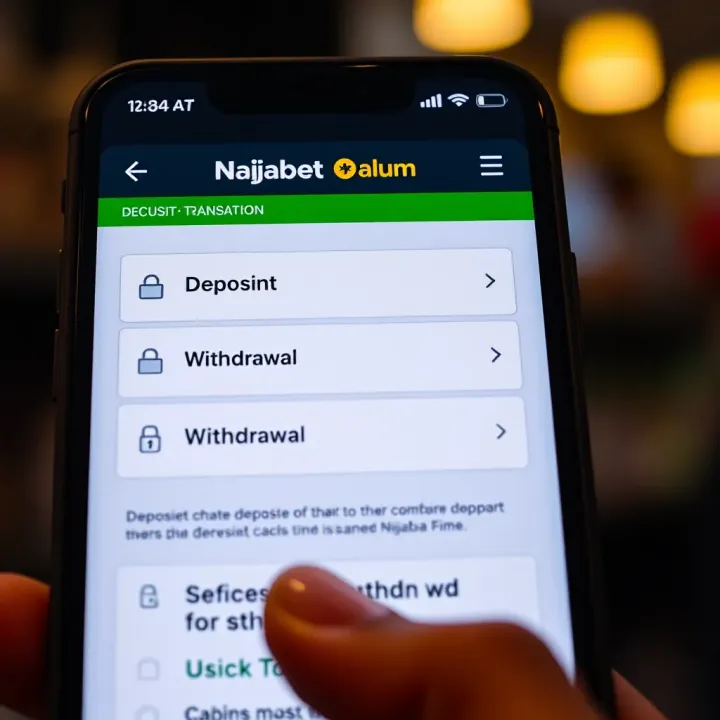
Discover Naijabet mobile site 📱 boasting easy registration, smooth deposits/withdrawals, secure betting, and a friendly design for all devices in Nigeria 🇳🇬.
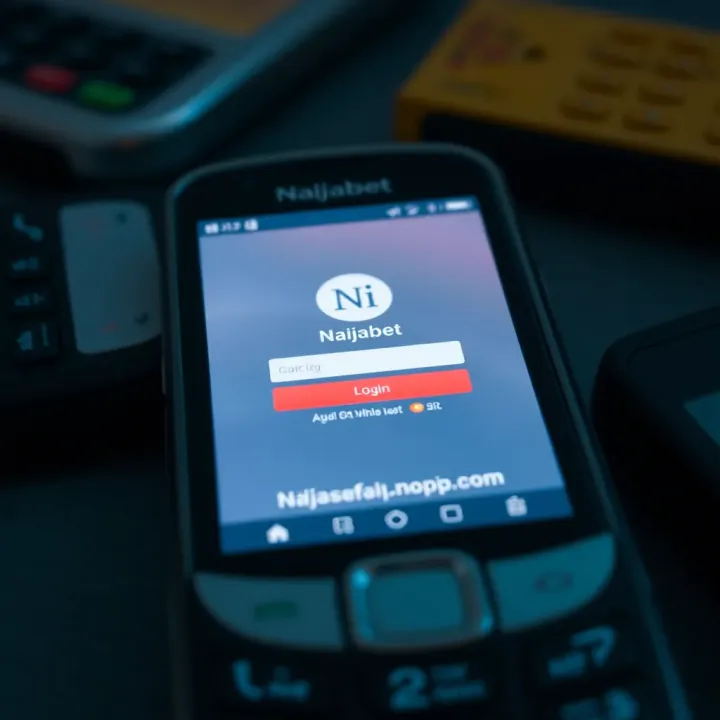
📱 Want to log in to Naijabet on old mobile devices? Learn smart steps, fix common issues, boost performance, stay secure, and enjoy seamless betting in Nigeria 🇳🇬💰
Based on 7 reviews